The Woman Who Outwitted the Devil: Clever Wives and the Folk Tradition of the Trickster Bride
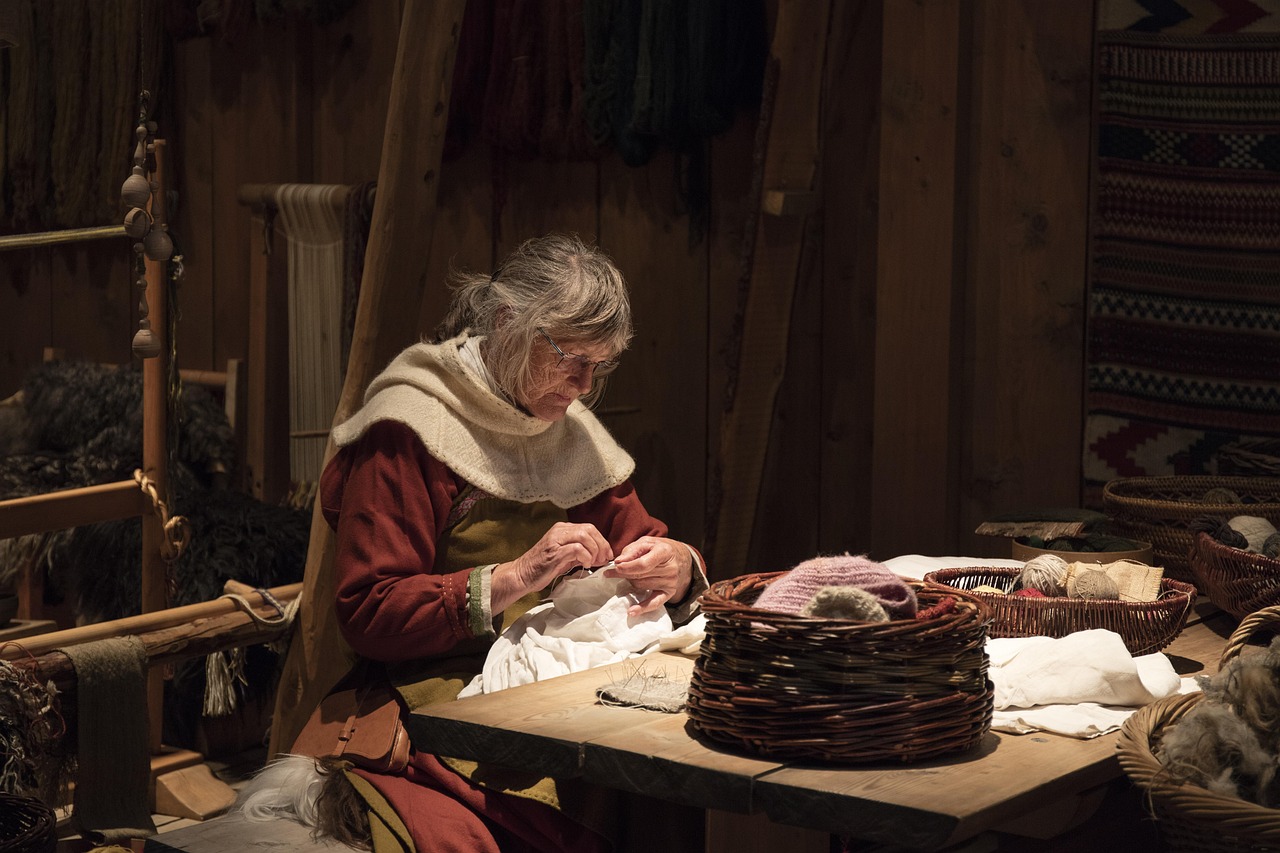
There is a folk tale type that appears from Ireland to Russia, and it goes like this: the devil, or a giant, or a rich man, makes a bargain with a poor woman. He will do some impossible task, or grant some favor, in exchange for her soul, or her daughter, or her cow. The woman agrees. Then she outwits him, not with strength or magic, but with a riddle, a delay, or a piece of domestic cunning, and he leaves empty-handed and humiliated.
The tales are usually classified as trickster stories, and the trickster is usually assumed to be male. But look at the actual corpus and the clever wife is everywhere, and she is not a minor figure. She is the one who wins.
The Weapons of the Powerless
Her weapons are telling. She does not fight. She does not have a sword or a spell. She has a spinning wheel, a cooking pot, a baby, a sharp tongue. She wins by knowing the rules of the bargain better than the one who set them, and by exploiting the gap between what was said and what was meant.
In one common version, the devil agrees to leave her alone if she can guess his name, or if she can complete a task before dawn. She does not guess. She tricks him into revealing it, or she completes the task by redefining it. The victory is linguistic. She wins because she understands that a contract is only as solid as the words in it, and she is better with words than he is.
That is the fantasy at work in these tales. The clever wife is a figure for anyone who has ever been outmatched in power but not in wit. She is the servant who knows the master's secrets, the tenant who knows the landlord's debts, the woman who has been told she has no authority and has learned to use the only authority she has: the ability to see what others miss.
Why She Disappears from the Retellings
When these tales were collected in the nineteenth century, collectors often tidied them. The clever wife became a clever husband, or her victory was softened into a joke, or the story was dropped altogether. The result is that the tradition looks more male than it is. The women were there all along, in the oral record, winning.
Retelling these stories now is not a matter of inventing feminist folklore. It is a matter of recovering what was already there and was set aside because it did not fit the shape the collectors expected. The clever wife is not a modern invention. She is an old woman with a spinning wheel and a sharp tongue, and she has been beating the devil for centuries.
The pleasure of the tales is that they do not pretend the powerless are powerful. They know the woman has no army. They know the devil has the upper hand. And they let her win anyway, by being smarter, and by refusing to accept that the terms of the bargain are fixed. That is not a small thing to teach, and it is why the stories were told in kitchens and by firesides, to people who needed them.