Bones of the First Singer: Creation Myths Where Sound Comes Before Shape
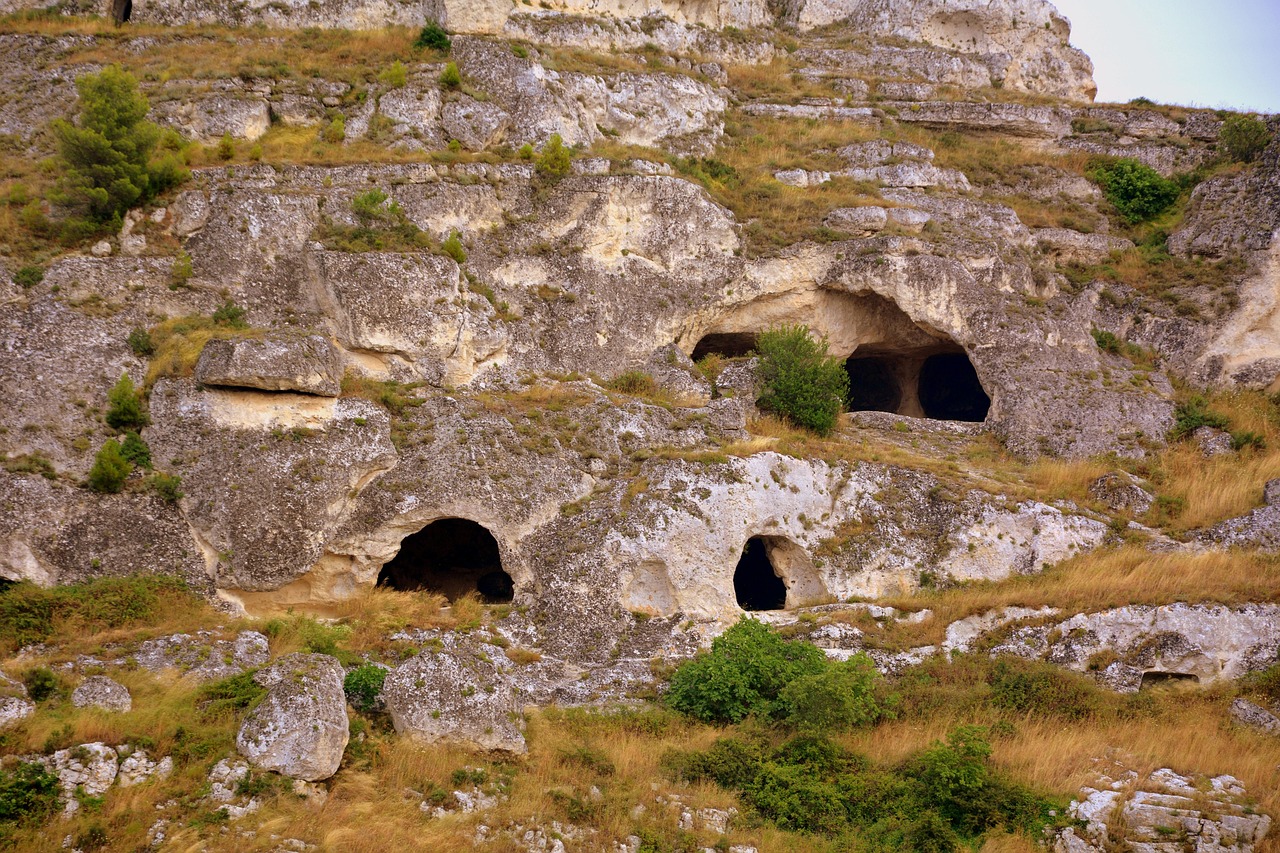
Before there was land, there was a note. This is not a metaphor in many of the world's oldest stories. In Aboriginal Australian songlines, the ancestors sang the country into existence, and the paths they walked are still traced by the songs that remember them. In Norse myth, the giant Ymir's body becomes the world, but the first breath that stirs the void belongs to Audhumla, the primal cow, whose licking shapes the first being. Sound, breath, and voice come before form. The world is not assembled. It is pronounced.
What does it mean to live in a world that was sung? It means the world is not a thing but an event, something that continues only as long as the song is maintained. This is a radically different idea from the clockwork universe of later philosophy. Here, creation is not a past act but an ongoing responsibility. If the song stops, the world does not merely end. It never was.
The Singer and the Sung
In many of these traditions, the first singer is not a god in the way we usually use the word. The singer is often an animal, a woman, a child, or a figure who does not know what they are doing. The act of singing is not planned. It is a response, an overflow, a grief or a joy too large to hold. The world comes into being because something had to be expressed.
This is why so many creation myths place the first song in the mouth of someone who is alone. The singer sings because there is no one to speak to. The song becomes the other. The world is company. In this reading, creation is not an act of power but an act of loneliness, and every subsequent being is a note in a chord that the first singer could not bear to hold alone.
What We Lose When We Forget
When we treat creation as a machine rather than a song, we lose the sense that the world requires our attention to continue. We stop listening. We assume the ground will hold because it has always held. But the old stories insist that the ground holds because someone is still singing, still walking the songline, still naming the rivers and the hills. The world is not a fact. It is a practice.
This is why retelling these myths matters. They are not quaint origin stories. They are instructions for how to live in a world that is always being made. To sing is to create. To listen is to sustain. And to forget the song is not to lose a piece of culture but to let a world go quiet.
The first singer is not gone. The song is still in the bones of the land, in the breath of the living, in the names we give to things we love. We are not the audience of creation. We are the chorus. And the song is not over.