The Milk of the Moon: Lunar Folklore and the Women Who Churned the Sky
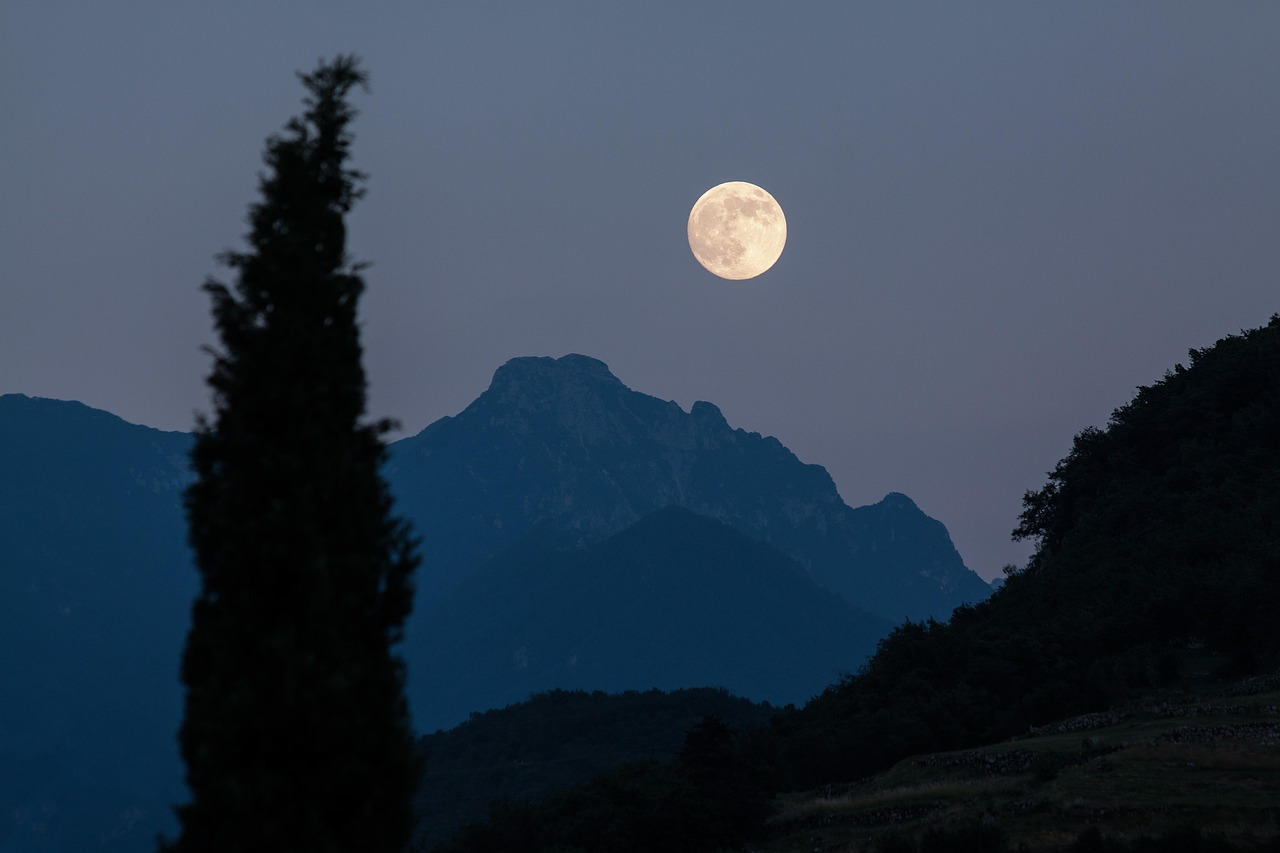
The moon is the oldest storyteller. It rises, it wanes, it disappears, it returns. Every culture that has looked up has seen something different: a man, a woman, a rabbit pounding rice, a churn of milk, a mirror, a drum. The phases are not just astronomy. They are a narrative, a cycle that repeats without ever being exactly the same.
In many European traditions, the moon is a woman, sometimes a goddess, sometimes a witch, sometimes a thief who stole the sun's light and was banished to the night. In others, the moon is a man, and the sun is his wife or sister, and their relationship is a quarrel or a chase. The moon is often gendered, but the gender changes. What remains constant is the moon's association with change, with cycles, with the hidden and the revealed.
The Churn and the Rabbit
In parts of Eastern Europe and Central Asia, the moon is a churn, and the woman in the moon is churning butter. The metaphor is not random. Butter is a transformation, a thickening, a making-rich of something thin. The moon does the same thing with light. It takes the sun's brightness and turns it into something softer, something that can be looked at directly. The moon is a processor. It does not create light. It changes it.
In East Asian folklore, the moon rabbit pounds rice or elixirs in a mortar. The rabbit is not a victim or a trickster. It is a worker, a small figure doing a repetitive task for reasons that are never fully explained. The rabbit is the moon's quiet companion, the one who stays when everyone else has gone to bed. There is something deeply human about that. The moon is not alone. It has a rabbit. We are not alone. We have the moon.
What the Moon Teaches About Time
The moon teaches that time is not a line but a loop. It waxes and wanes, and so do we. Our moods, our energies, our bodies follow cycles that we did not choose and cannot fully control. The moon is a mirror for that. It says: you are not broken when you disappear. You are just in a different phase.
This is why lunar folklore persists even when we know the moon is a rock. The rock is not the point. The point is the rhythm. The point is the return. The moon reminds us that darkness is not permanent, that light comes back, that the churn keeps turning, that the rabbit keeps pounding, that the story is not over.
So we look up. We name the phases. We tell the old stories. And we let the moon do what it has always done: rise, fall, and rise again, carrying our secrets in its silver pocket, never telling, always returning.