The Selkie's Borrowed Skin: Why We Keep Retelling the Seal-Wife's Story
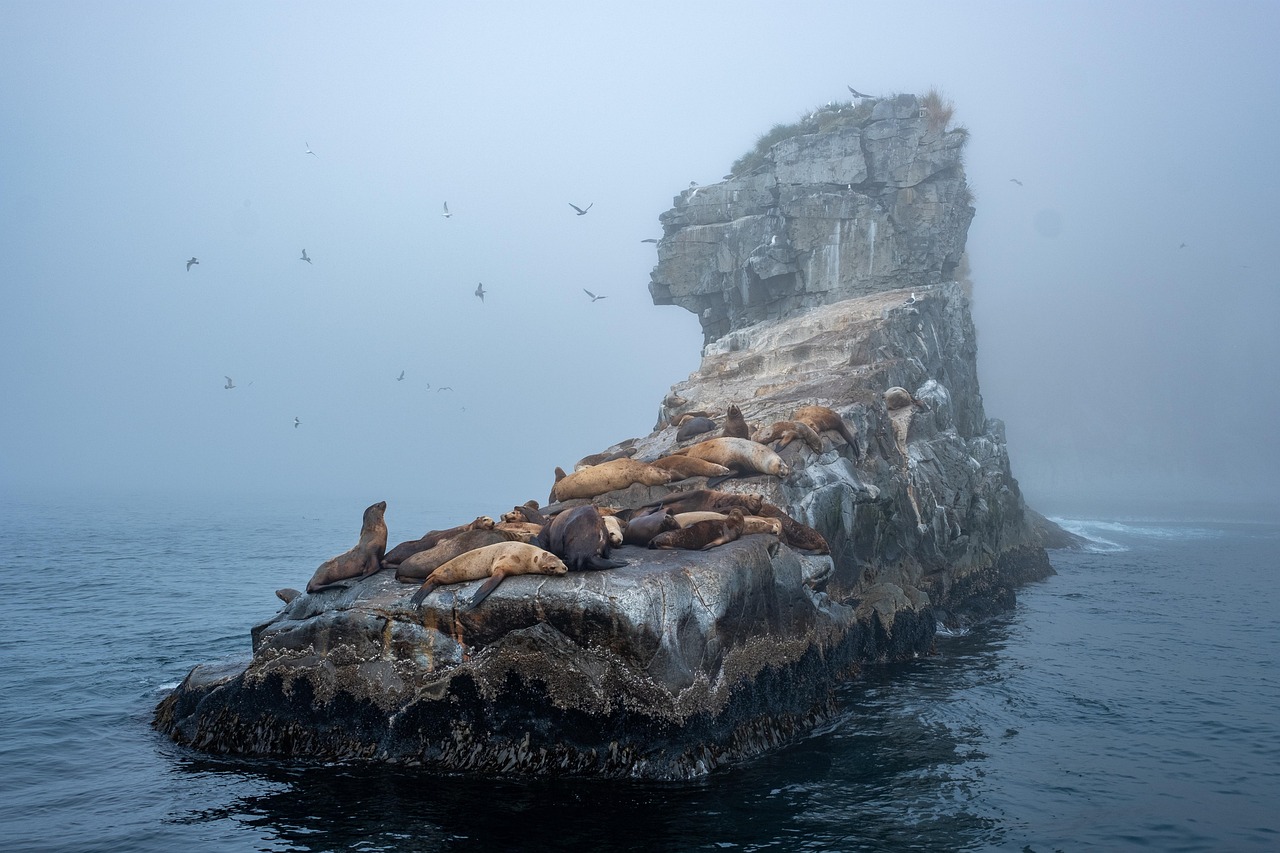
On the black rocks of Orkney and Shetland, the old people said you could sometimes see a woman walking the shore at dusk, pulling a dark pelt around her shoulders like a coat. She was a selkie, a seal who had shed her skin to dance on land. And somewhere inland, they said, a fisherman kept that skin hidden in a chest, and because of it she stayed.
The story is usually told as a romance. A lonely man steals the skin of a seal woman while she dances on the sand. She cannot return to the sea without it, so she marries him, bears his children, keeps his house. Years pass. Then a child finds the hidden skin, or a loose floorboard gives it up, and the selkie puts it on and walks back into the waves without a backward glance. The man is left on the shore calling her name, and the sea does not answer.
Not a Love Story, a Custody Story
Read it plainly and the romance dissolves. What the fisherman does is not courtship; it is theft of the one thing that makes her free. The selkie stays not because she loves him but because she cannot leave. Every version of the tale knows this, which is why the ending is never reconciliation. It is departure.
That is also why the story keeps being retold. In the twentieth century, writers began turning it over and looking at it from the selkie's side, and the tale cracked open. It became a story about arranged marriages and mail-order brides, about women who emigrate for a husband and spend years in a country whose language they half-know. It became a story about any life where the terms were set by someone else and the exit was hidden in a chest.
The children are the difficult part, and the old tellers knew it. In most versions she leaves them behind, and the tale does not soften this. She looks back once, perhaps, but she goes. Modern retellings often bend toward reunion or rescue, giving her a daughter who understands, or a husband who finally repents. The older versions are sterner. They seem to understand that some departures cost everything and happen anyway.
What the Sea Keeps
There is a detail that recurs across the Northern Isles: selkies who come ashore are said to have webbed feet, or a patch of seal skin they cannot quite shed. They are never fully one thing. That doubleness is the heart of it. The selkie is a figure for anyone who lives between two worlds and is claimed by both, and who is asked, constantly, to prove which one they really belong to.
When you retell this story, the temptation is to resolve the doubleness. Give her a home on land, or a clean return to the sea. But the power of the tale is that it refuses. She belongs to the sea and to the shore, and the shore took her skin. The sea takes her back. Neither place is wholly hers, and yet she chooses. That choice, made in a single sentence, is why we have been telling this story for centuries and will keep telling it.