The Fox Wife's Shadow: Trickster Brides of Japanese and Korean Folklore
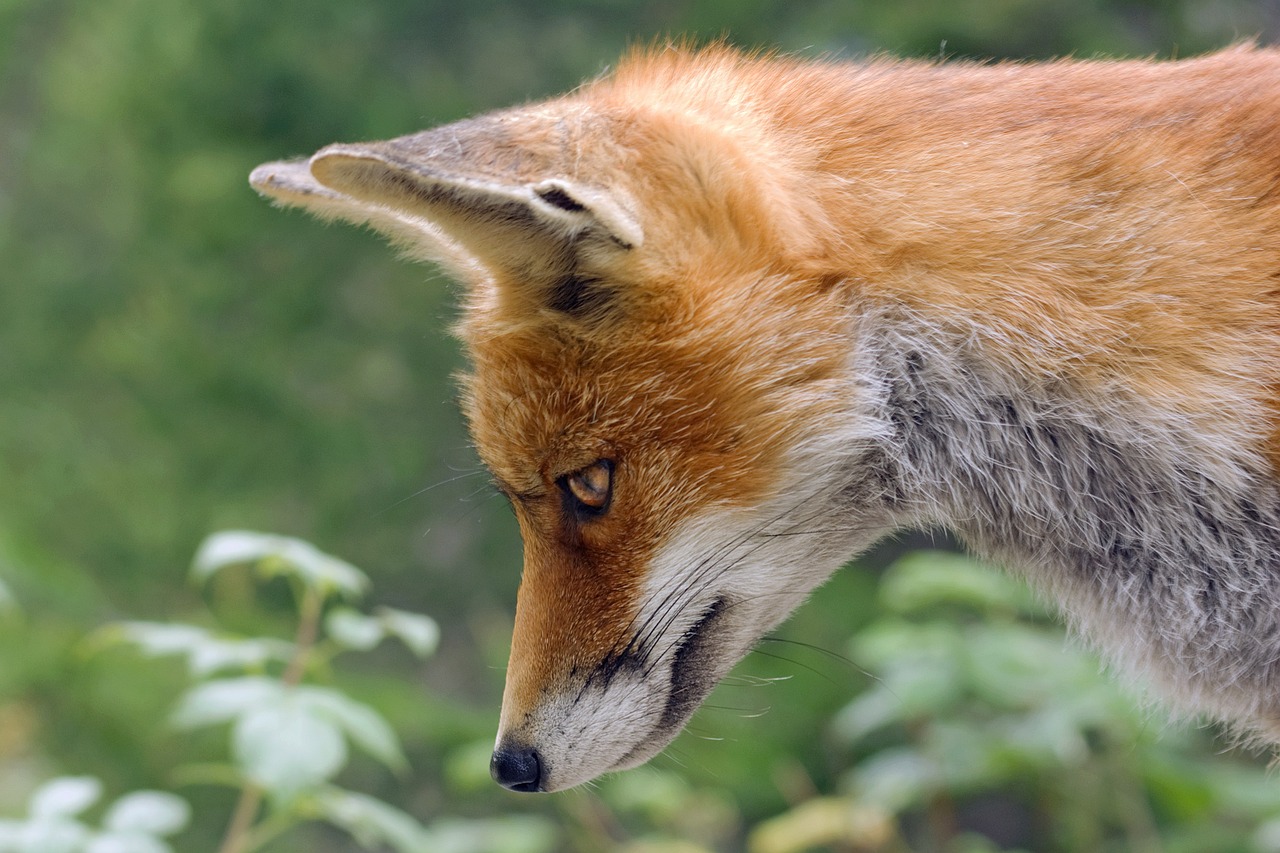
A fox walks into a house and stays for a hundred years. This is not a riddle but the shape of a story told from Japan to Korea to the far edges of China, where the kitsune or kumiho takes a human shape, marries, bears children, and keeps a secret tucked beneath her tongue or behind her teeth. The tale changes with the telling, but the question it asks does not: what do we owe the stranger who becomes family, and what does that stranger owe us in return?
In many tellings, the fox wife is not a villain. She is a careful housekeeper, a patient mother, a woman who learns the rhythm of a village and fits herself to it. The betrayal, when it comes, is rarely hers alone. A husband spies through a keyhole. A dog barks at the wrong moment. A child notices that the rice disappears faster than any human appetite can explain. The secret is not revealed; it is taken. And the taking is what breaks the house.
The Cost of Knowing Too Much
What strikes me about these stories is how often the fox is the one who behaves with restraint. She warns her husband not to look. She sets conditions. She says, in effect, if you can love me without needing to name what I am, we will be happy. He agrees, and then he fails. The failure is not cruelty but curiosity, the very human need to solve the puzzle of another person. The tragedy is that solving it destroys the thing being solved.
Korean kumiho tales often turn darker, the fox becoming a predator who must eat livers or hearts to stay human. But even there, the pattern holds: the transformation is conditional, and the condition is almost always the honesty or dishonesty of the person who loves her. The fox is a mirror. She shows what the household is willing to accept and what it demands to control.
Why We Still Tell It
We retell the fox wife because we live with versions of her. Every marriage, every friendship, every family holds a person we have decided to trust without fully understanding. The story asks whether that trust is generous or merely convenient, whether we love the person or the version of them we have built in our heads. The fox does not punish the husband for seeing her true shape. She leaves because he insisted on seeing it without also choosing to stay.
In some versions, she returns to the wild and watches her children from the tree line. In others, she leaves a gift, a charm, a warning. She is not gone. She is simply no longer pretending. And that, perhaps, is the quietest cruelty of all: the house remains, the children grow, and the man is left with the knowledge that he had a fox for a wife and did not know how to keep her.
These are not stories about monsters. They are stories about the limits of intimacy. They remind us that some secrets are not lies, and some questions are not answered without cost. The fox wife walks out of the tale the same way she walked in: on her own terms, carrying her own shadow.