Ash, Salt, and Iron: The Small Protections in Household Folklore
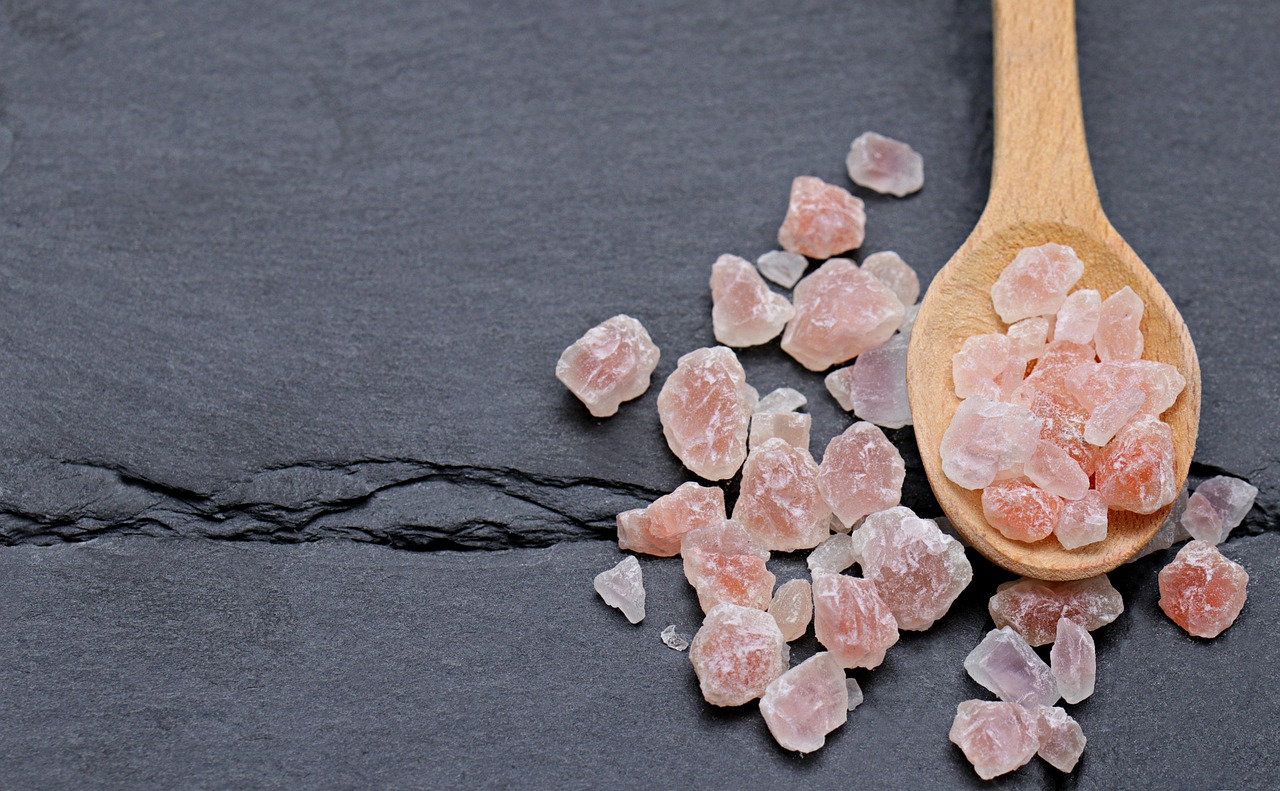
Salt over the left shoulder. Iron nails driven into a threshold. A pinch of ash from the hearth rubbed on a newborn's forehead. A horseshoe hung points up, or points down, depending on who you ask. These are the small, unglamorous charms of household folklore, and they have outlasted most of the grander stories. People who cannot tell you a single line of the Mabinogion will still throw salt over their shoulder when they spill it.
The charms are not random. They follow a logic, and the logic is worth reading. Each one answers a specific fear, and the fears are the fears of ordinary life: sickness, bad luck, thieves, spirits, the evil eye, a child who will not sleep.
The Grammar of Protection
Salt preserves and purifies, so it is used to keep things clean in the ritual sense, which is why it appears at thresholds, in cradles, and in the water used to bless a new home. Iron is cold and hard and does not belong to the old world, so it repels fairies and spirits, which is why a pair of scissors or a nail is hidden in a bed or a doorway. Ash from the hearth carries the fire and the family, so it blesses and protects what it touches.
Notice that these are all things already in the house. The folklore of protection is not about acquiring rare objects. It is about using what is at hand, which tells you something about the people who made it. They were not rich. They could not buy safety. They could only take the salt they were going to eat and the iron they were going to use and the ash they were going to sweep, and turn them, briefly, into something more.
There is also a grammar of placement. The threshold is the most common site of protection because it is the boundary between inside and outside, and boundaries are where things cross. The bed is protected because sleep is a kind of vulnerability. The cradle is protected because infancy is the most vulnerable of all. The charms cluster at the places where the household is most exposed, which is exactly where a person would put them if they were thinking practically.
What We Keep When We Forget Why
Many of these practices have been detached from their reasons. People throw salt without knowing why. They hang a horseshoe because it looks nice. This is usually described as the death of folklore, but it is really folklore doing what folklore does. It survives by becoming habit, and habit survives by becoming invisible.
The interesting question is not whether the charms work. It is what they say about the people who kept them. A charm is a small admission of fear and a small act of care. It says: I cannot control the world, but I can do this. That is not superstition. That is a human being, standing in a doorway, doing what they can. The ash, the salt, and the iron are not magic. They are attention, made portable, and passed down.