The Ferryman's Fee: Coins, Rivers, and the Economics of the Afterlife
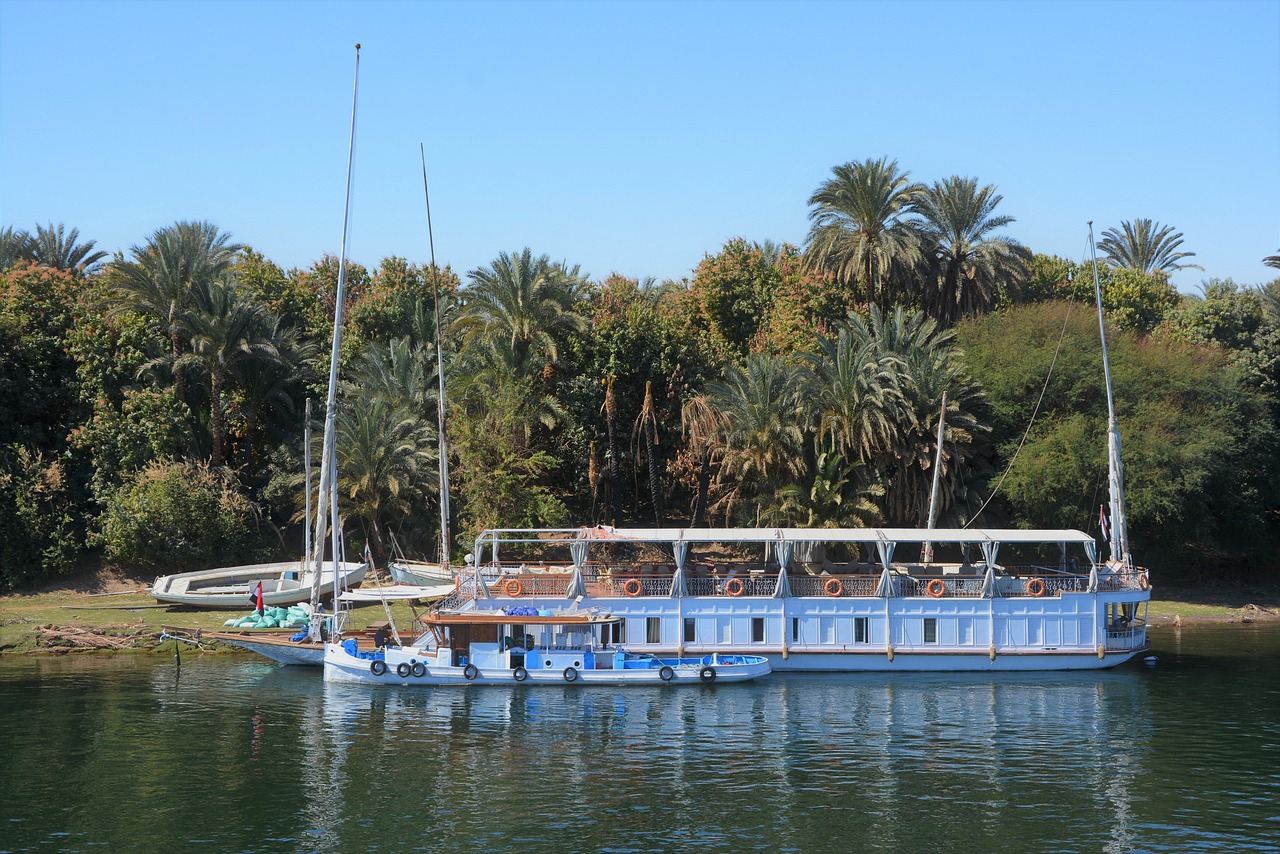
A coin for the ferryman. The phrase has become a cliché, but in the ancient world it was a practical instruction. In Greece, the dead were buried with an obol placed in the mouth or on the eyes, payment for Charon, the surly boatman who ferried souls across the river Styx or Acheron. Without the coin, the soul wandered the shore for a hundred years. The ritual was not symbolic. It was a ticket.
What does it say about a culture that it imagines the afterlife as a journey with a toll? It says that death is not an ending but a border crossing, and borders have guards, fees, and paperwork. The Greeks were not alone. In Norse tradition, the dead were buried with grave goods, horses, ships, and sometimes servants, not to buy passage but to arrive in style. In Egyptian myth, the heart was weighed against a feather, and the result determined the soul's fate. In each case, the afterlife is not a reward or punishment handed down by a single judge. It is a system, a bureaucracy, a place with rules.
The Coin as a Contract
The coin is a contract. It says: I know I am going somewhere, and I know I cannot go empty-handed. This is not greed. It is realism. The living cannot follow the dead, but they can send them off with what they need. The coin is a promise that the living have not forgotten their obligations. It is also a confession that the dead are now strangers, traveling a road the living cannot see.
In some traditions, the coin is replaced by other objects: a stone, a flower, a small cake. The form changes, but the function remains. The dead are given something to carry. The living are given something to do. Grief is not passive. It is a series of small, specific acts, and the coin is one of them.
Who Pays the Ferryman Now
We no longer place coins on the eyes of our dead, at least not in most places. But we still pay. We pay for funerals, for headstones, for obituaries, for the plot of land where the body will rest. We pay in time, in tears, in the slow work of sorting through belongings. The ferryman has changed his shape, but he has not gone away. He is the cost of letting go.
The old stories are not instructions for the afterlife. They are instructions for the living. They tell us that death is not a door that closes but a river that must be crossed, and that crossing requires preparation. The coin is a reminder that we are all travelers, and that the journey is not free. It is paid for in advance, by the ones who love us, in the small rituals we perform when we cannot do anything else.
So we place the coin. We say the words. We let the boat push off from the shore. And we stand on the bank, watching, until the mist takes them, and the river goes quiet.